Jiló and Your Palate: Why Culture Shapes Bitter Preference
The culinary world is a vast tapestry of flavors, yet few tastes spark as much debate and strong opinion as bitterness. While sweetness is almost universally embraced from infancy, bitterness often elicits a instinctive recoil. This primal reaction, a vestige of our evolutionary past designed to protect us from poisons, makes certain foods a challenging sell. Enter Jiló, a vibrant green fruit (often treated as a vegetable) beloved by many in Brazil, particularly in the Northeast, and vehemently disliked by others.
The journey to appreciating Jiló, with its characteristic bitterness, isn't just about overcoming an innate aversion; it's a profound exploration into how culture, family, and even modern dietary trends sculpt our taste preferences. Can a food like Jiló, often perceived as "too bitter," transform into something truly delightful? The concept of Jilo Morto – or 'tamed Jiló' – suggests it absolutely can, inviting us to redefine our relationship with this intriguing fruit.
The Evolutionary Riddle of Bitterness: Why We Flinch
At a fundamental level, our aversion to bitterness is hardwired. Across species, many toxic compounds found in nature taste bitter. This innate sensory warning system served our ancestors well, guiding them away from potentially harmful plants. In contrast, sweet flavors, often indicative of energy-rich foods, are universally appealing. This biological blueprint explains why, for most people, the first encounter with a strongly bitter food like Jiló can be a jarring experience.
However, human taste perception is far more complex than a simple genetic dictate. While the initial reaction might be biological, the development of long-term food preferences is a deeply social and cultural phenomenon. We are not merely passive receptors of taste; we are active learners, influenced by our environment, our families, and the culinary traditions we grow up with. This adaptability is precisely what allows us to move beyond initial dislikes and, with exposure and context, cultivate a profound appreciation for flavors that initially seemed unpalatable. The potential health benefits of many bitter foods, rich in antioxidants and other beneficial compounds, also offer a compelling reason to push past our initial reservations.
Culture's Hand in Shaping Palates: The Jiló Phenomenon
If our biology tells us to avoid bitter, why do entire cultures, like that of Brazil's Northeast (Nordeste), seemingly revel in it? The answer lies in the powerful influence of cultural conditioning. Growing up in a household where Jiló is a regular, cherished ingredient, observed being enjoyed by parents and relatives, creates a different narrative. It fosters curiosity, challenges preconceived notions, and normalizes a taste that might otherwise be rejected.
Consider the insights from those raised in such environments: "Pobre não pode ter frescura para comer" – "The poor cannot be finicky about food." This saying, echoing through generations, highlights how economic realities can shape palates. When food is a necessity, and local, often naturally bitter, vegetables are readily available and affordable, they become staples. These circumstances transform bitter foods from a choice to a tradition, fostering a palate that appreciates and even seeks out these robust flavors. Seeing a mother enjoy Jiló with such gusto can be enough to pique a child's interest, transforming a perceived "freshness" into an adventurous spirit.
This cultural immersion is key to understanding the appreciation of Jiló. It's not just about eating it; it's about seeing it prepared, smelling it, and witnessing the enjoyment it brings to others. This continuous, positive exposure, particularly during formative years, gradually transforms aversion into acceptance, and ultimately, into genuine liking. The journey from initial dislike to eager anticipation is a testament to the palate's incredible capacity for learning and adaptation.
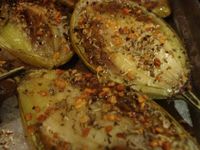
This is where the concept of Jilo Morto truly shines. It isn't about killing the Jiló, but rather about preparing it in such a way that its characteristic bitterness is tamed, softened, and integrated into a harmonious dish. It's a culinary approach that respects the inherent flavor while making it more accessible, allowing new palates to gradually adjust and even fall in love with this unique fruit. Achieving a perfectly balanced Jilo Morto requires understanding the ingredient and employing smart cooking techniques.
The Modern Palate Paradox: Ultra-Processed Foods vs. Authentic Flavors
Beyond cultural and familial influences, a significant factor impacting our bitter preference today is the prevalence of ultra-processed foods. The modern food industry, with its heavy reliance on sugar, salt, and fat, often creates "hyper-palatable" products designed to overstimulate our taste buds. These exaggerated, artificial flavor profiles can effectively dull our sensitivity to the subtle, nuanced, and often bitter flavors found in natural, whole foods.
Children and adolescents raised on a diet rich in these ultra-processed items may find fresh fruits, vegetables, and even traditionally bitter foods like Jiló "pale and bland" in comparison. Their palates become accustomed to intense, immediate gratification, making the gradual appreciation required for bitter tastes a significant challenge. This trend extends beyond the processed aisle; even fresh produce is being selectively bred to be less bitter. Varieties of grapefruit, broccoli, and other vegetables are often chosen for their milder flavor profiles, further homogenizing our food landscape and potentially eroding our natural capacity to appreciate a wider spectrum of tastes.
This culinary standardization represents a paradox: while we have more food options than ever, the diversity of our taste experience is arguably shrinking. Reclaiming an appreciation for foods like Jiló is not just about culinary adventure; it's about re-sensitizing our palates to the authentic, complex flavors that nature offers, and resisting the artificial uniformity imposed by industrial food production. Embracing the journey to appreciate Jilo Morto, and Jiló in general, is a step towards a richer, more diverse, and healthier culinary life.
Embracing the Jiló Challenge: Tips for a Bitter-Sweet Journey
If Jiló has always been on your "avoid" list, perhaps it's time for a re-evaluation. Cultivating a taste for bitter foods like Jiló is a rewarding journey that expands your palate and introduces you to a world of new flavors and nutrients. Here are some actionable tips to help you embrace the Jiló challenge:
- Start Small and Be Patient: Don't expect to love it on the first bite. Repeated, gradual exposure is key. Try it in small quantities as part of a meal.
- Master Preparation Techniques: The way Jiló is prepared significantly impacts its bitterness. Soaking sliced Jiló in salted water for 15-30 minutes, blanching it briefly, or even slicing it thin can help reduce its intensity. This is the essence of creating delicious Jilo Morto. For specific techniques and recipes, you might find valuable insights in our article, Taming Jiló's Bitterness: Recipes to Reclaim Your Taste Buds.
- Pair Wisely: Jiló often shines when paired with complementary flavors. Acidic ingredients (like vinegar or lemon), savory elements (garlic, onion, bacon), or a touch of sweetness can balance its bitterness. However, for a true taste test, try it simply prepared first to understand its inherent character, as strong flavors can sometimes mask it completely.
- Seek Out Cultural Preparations: Explore authentic Brazilian recipes. Jiló is often served sautéed with garlic and onion, in stews, or alongside grilled meats. These traditional preparations have evolved to make the Jiló palatable and delicious.
- Understand the Benefits: Many bitter foods are nutritional powerhouses, rich in vitamins, minerals, and antioxidants. Knowing that you're consuming something good for your body can be an added motivator.
- Don't Give Up: Taste preferences are dynamic. Your palate can change and adapt. Give Jiló a few tries in different preparations before making a final judgment. For a deeper dive into the journey of appreciating this unique fruit, read How to Love Jiló: Mastering its Unique Bitter Taste.
Conclusion
The journey with Jiló, from initial aversion to acquired taste, perfectly encapsulates the intricate dance between our biology, our culture, and our environment. While our genes might whisper caution against bitterness, our social context, culinary traditions, and even the pervasive influence of modern food choices ultimately shout louder. Embracing foods like Jiló, and understanding the concept of Jilo Morto—Jiló prepared to perfection, with its bitterness harmonized—is more than just a culinary adventure; it's an act of reclaiming our palates. It's an invitation to appreciate the complex, authentic flavors of the natural world, resisting the homogeneity of ultra-processed diets, and celebrating the rich diversity that makes our global food landscape so utterly fascinating.